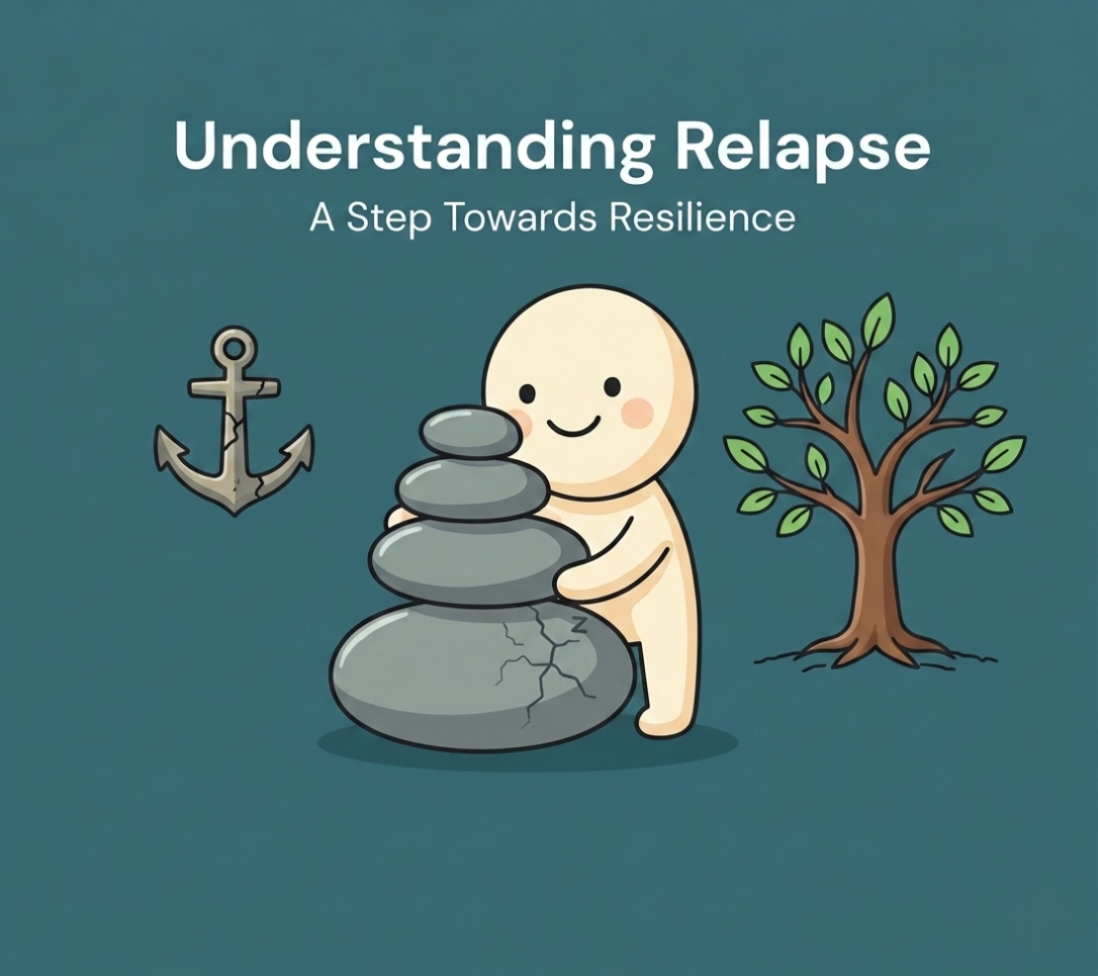
Relapse is often seen as a setback or failure in the journey of recovery. For many, it can evoke feelings of shame, guilt, and disappointment. However, it is important to reframe our understanding of relapse. Rather than being viewed as the end of progress, relapse can be an opportunity for reflection, learning, and ultimately building resilience. Recovery is a process, not a single event, and setbacks are often part of that process.
What is Relapse?
Relapse refers to the return to substance use after a period of abstinence. It can occur at various stages of recovery and can happen for different reasons. While it may seem like a single moment or event, relapse is often a gradual process that begins long before the actual act of using. Recognising the warning signs early can be key to preventing a full relapse.
There are generally three stages of relapse:
1. Emotional Relapse
In this stage, you may not be thinking about using, but your emotions and behaviours are setting the stage. Signs include bottling up emotions, isolating yourself, not attending support meetings, and neglecting self-care.
How to counter it: Prioritise self-care and emotional well-being. Activities such as journalling, practising mindfulness, or talking to someone you trust can help manage emotions before they escalate. Regular exercise, maintaining a balanced diet, and ensuring adequate sleep can also improve overall mood and resilience.
2. Mental Relapse
This is the stage where an internal battle begins. Part of you wants to use, and part of you doesn’t. You might start romanticising past use, thinking about people and places associated with substance use, or bargaining with yourself.
How to manage it: Actively challenge thoughts that romanticise substance use by focusing on the negative consequences of past behaviour. Distraction techniques such as going for a walk, calling a supportive friend, or practising mindfulness can also be effective. Working with a recovery coach can provide tools and strategies tailored to overcoming mental relapse.
3. Physical Relapse
This is the stage where actual substance use occurs. It can range from a single lapse to a full return to regular use.
How to move forward: Take immediate steps to reconnect with your recovery plan. Reach out to your support network, whether it’s a trusted friend, family member, therapist, or recovery coach. Reflect on what led to the relapse and identify strategies to address similar situations in the future. Each step back can serve as a powerful learning experience.
The Difference Between Lapse and Relapse
It is important to distinguish between a lapse and a relapse. A lapse is a temporary slip or single instance of substance use, after which a person is able to regain control and continue their recovery. A relapse involves a return to regular substance use and often requires more significant intervention to get back on track.
Think of a lapse as sticking your toes in the water to test it out. You might realise that the water is too cold or uncomfortable, prompting you to pull your foot back out quickly. A relapse is more akin to jumping into the water and staying there for a while before deciding to get out.
Learning from Relapse
Relapse can provide valuable insights into what triggers substance use and what changes might be necessary to strengthen one’s recovery. By treating relapse as an opportunity to learn, individuals can better understand their vulnerabilities and develop strategies to address them.
- Reflect without judgement, understand what happened and why
- Seek support, reach out to a coach, therapist, or trusted person
- Adjust your recovery plan, identify what needs to change
- Practise self-compassion, setbacks don’t erase your progress
Building Resilience
Resilience is the ability to bounce back from adversity. In the context of recovery, it means being able to navigate setbacks without giving up on long-term goals. Building resilience involves:
- Fostering a growth mindset, see challenges as opportunities to grow rather than insurmountable obstacles
- Developing coping skills, practise healthy ways to manage stress, such as journalling, meditation, or talking to someone
- Strengthening your support system, surround yourself with people who understand your journey and can offer encouragement
If you’re navigating relapse and wondering whether professional support could help, find out whether addiction recovery coaching is right for you. You can also explore ongoing sober companion support for more frequent accountability.
Relapse does not define a person’s recovery. It is a common part of the process, and many individuals go on to lead fulfilling lives after experiencing setbacks. What matters most is how one responds. Recovery is a journey of progress, not perfection. With the right support, the path forward can be navigated more confidently and successfully. If you’d like to talk, get in touch.